Start a conversation

stephen@network-economies.com
Bali, Indonesia · GMT+8

The practice

Regenerative systems, built to last.

I help institutions move from good intentions to functioning local economies — combining systems architecture, community capital and practical implementation.

Advisory Convening Design Education
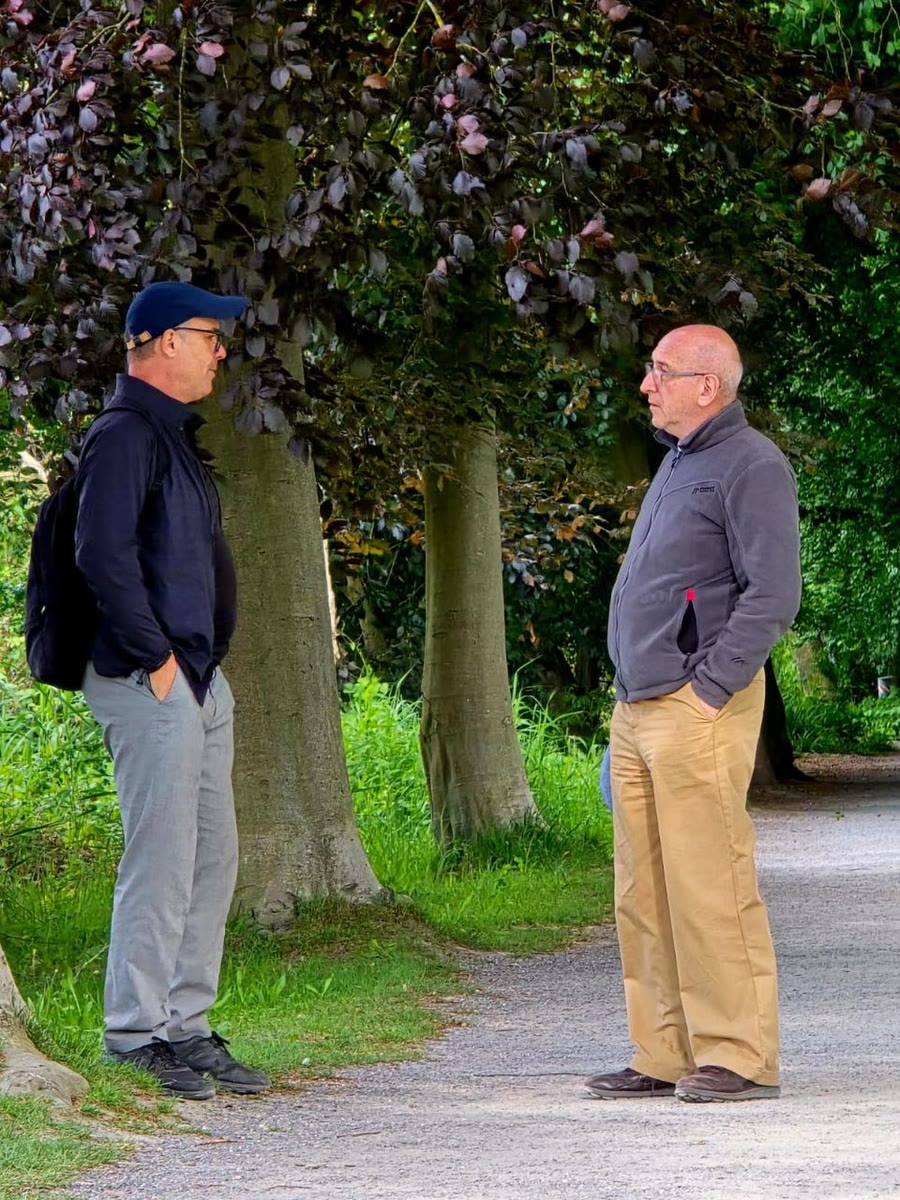
Stephen DeMeulenaere in conversation with Michel Bauwens under trees
01

Regenerative systems & anticipatory design

Regions do not become resilient by accident. They become resilient by design — by seeing the whole economy and deliberately strengthening the loops that keep value, food, energy and care close to home.
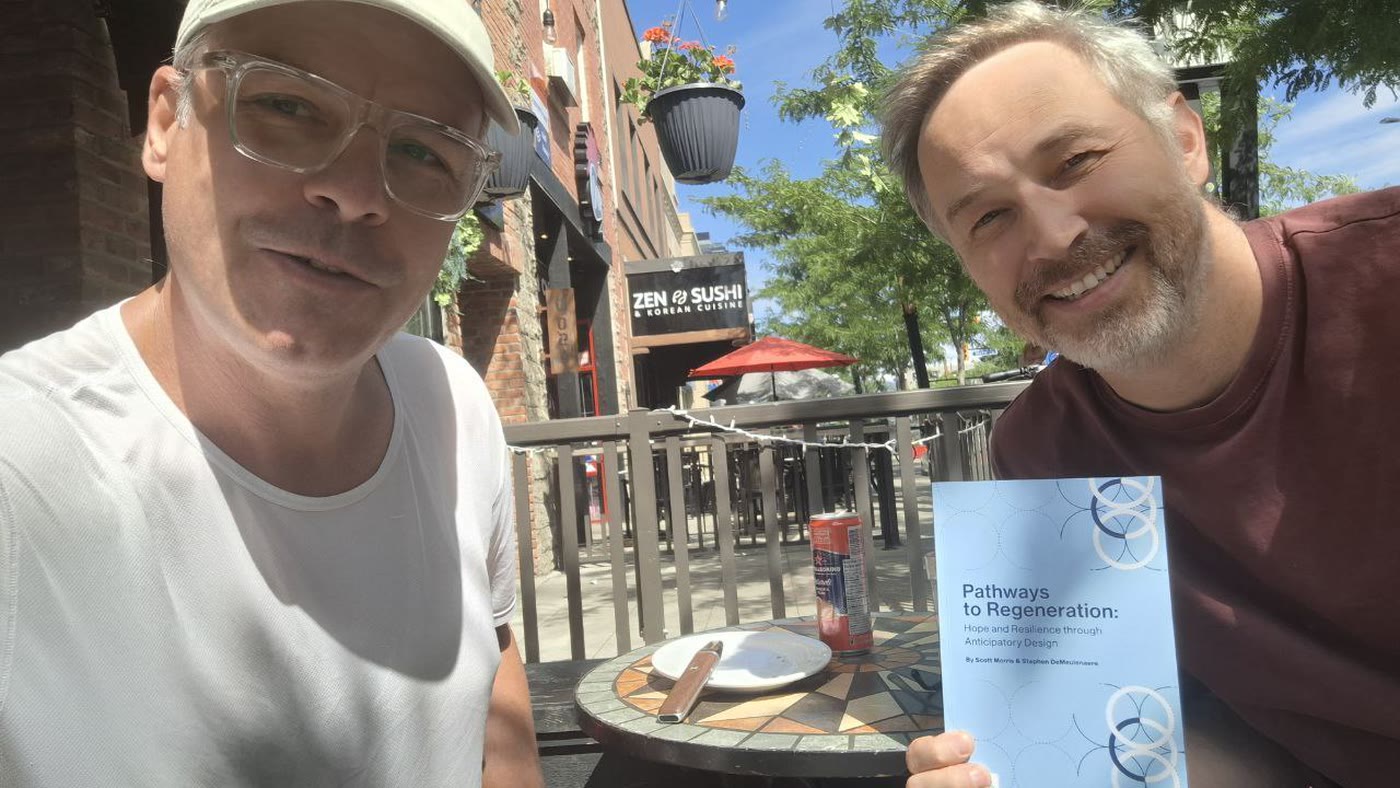
Scott Morris and Stephen DeMeulenaere holding their book Pathways to Regeneration outdoors

What the work looks like

  • Mapping the real economy with the NEAT method — entities, assets and transactions, made visible.
  • Modelling where value leaks with the Leaky Bucket, and where local circulation can be strengthened.
  • Building an 8-stage Logical Framework for regenerative design: context, stakeholders, outcomes, indicators and financing.
  • Anticipatory scenarios that rehearse plausible futures before capital is committed.
  • Designing the institutions, agreements and instruments that make the plan operational.

What you walk away with

  • A shared, evidence-based map of how value actually moves through your place or sector.
  • A regenerative investment framework that funders and public agencies can assess.
  • A 12–36 month roadmap with governance, milestones and a measurement set.
  • Workshop capability inside your team — not dependency on an external consultant.
Bioregional finance Anticipatory design NEAT 8-stage LFA Discuss a bioregional project
02

Collaborative finance & governance

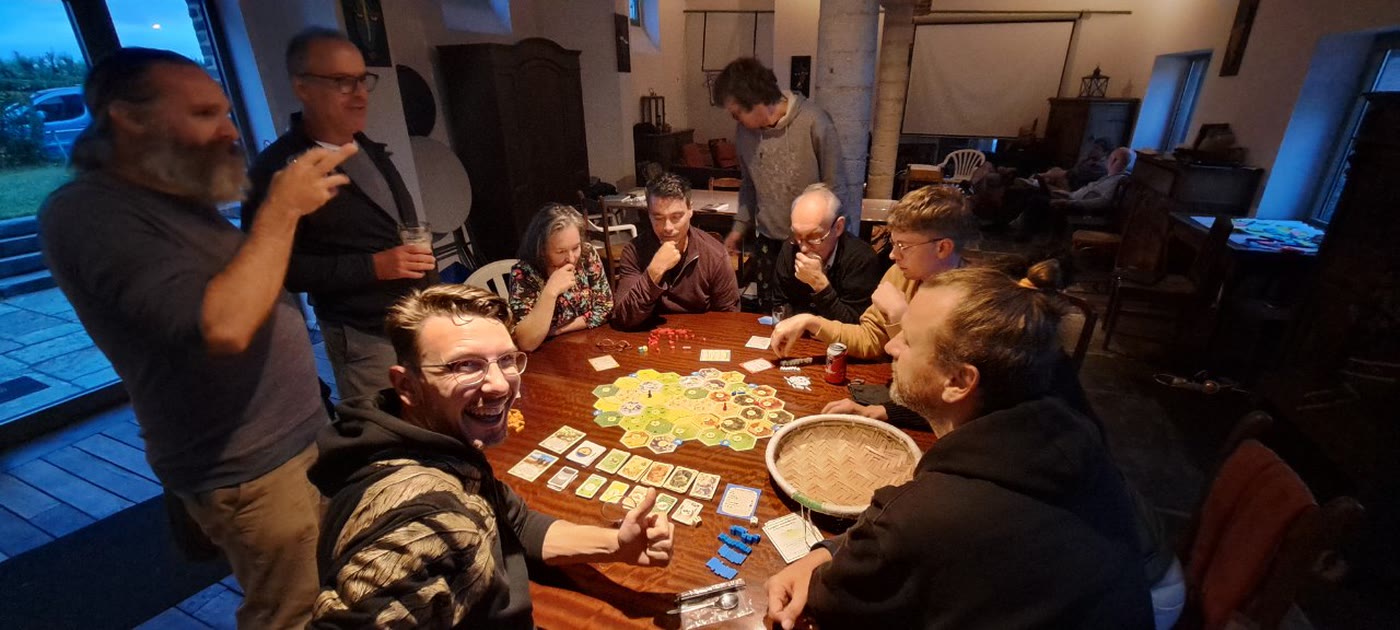
Credit works best where trust already exists. I help networks design mutual credit, separate governance from capital, and convene the people who make a system legitimate.

Participants playing a collaborative finance board game around a table in Belgium

What the work looks like

  • Designing credit-issuing mechanics that match the real flows and trust boundaries of a network.
  • Separating governance from capital so that members, not balance sheets, set the rules.
  • Facilitating peer-learning labs, retreats and year-round communities of practice.
  • Navigating regulation with plain-language models that supervisors can actually assess.
  • Building the convening architecture: who is in the room, who decides, and how learning travels.

What you walk away with

  • A governance and credit blueprint that members understand and can amend.
  • A pilot design with clear limits, safeguards and success measures.
  • A convening format that turns one event into a durable network.
  • Access to an international peer group of practitioners, municipalities and funders.
Mutual credit Governance design CoFi convening Policy navigation Design or convene a network
03

Circular local commerce

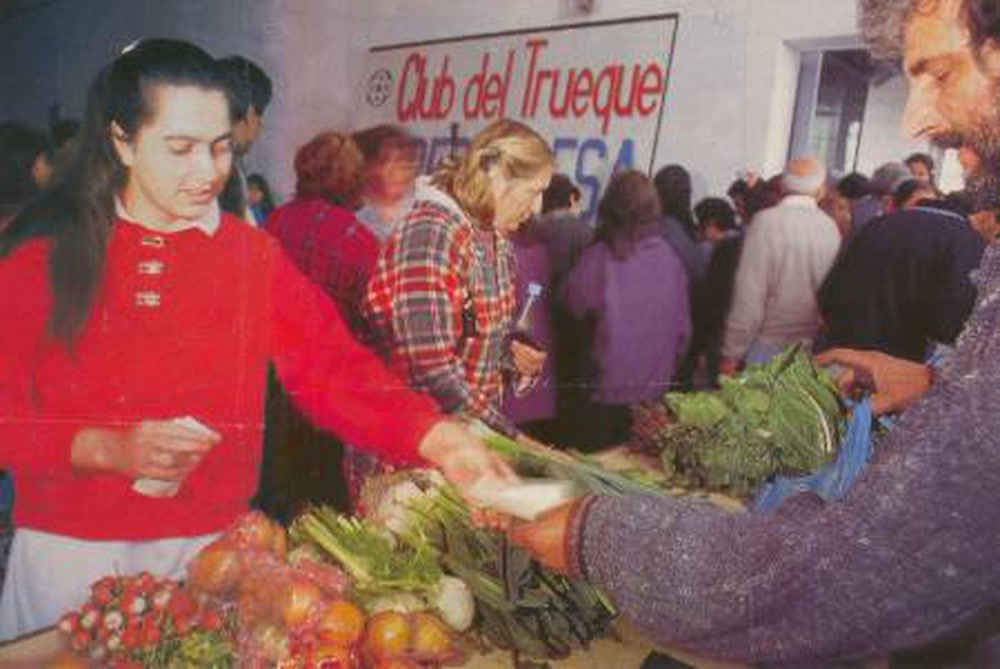
Most complementary currencies ask too much of small businesses. I design programmes that fit the way merchants already work — and make the community benefit visible at the point of sale.

Members exchanging produce at the Club del Trueque barter market in Argentina

What the work looks like

  • Merchant-backed loyalty and pledge-point systems with zero or low upfront cost.
  • Circular gift cards and cause-marketing circuits that connect local spending to local causes.
  • Plain commercial language and back-office simplicity — no crypto vocabulary required.
  • Chamber, main-street and community-foundation partnerships that share ownership.
  • Regulatory review before launch, not after a pilot has raised expectations.

What you walk away with

  • A merchant proposition that can be explained in one page and sold in one meeting.
  • A pilot economics model: issuance, redemption, float, fees and community contribution.
  • A launch playbook for chambers, associations or foundations.
  • A platform specification grounded in the Crowdcycle Pledge Points model.
Pledge Points Loyalty circuits Community foundations Micro-philanthropy Explore a local programme
04

Accredited cross-cultural education

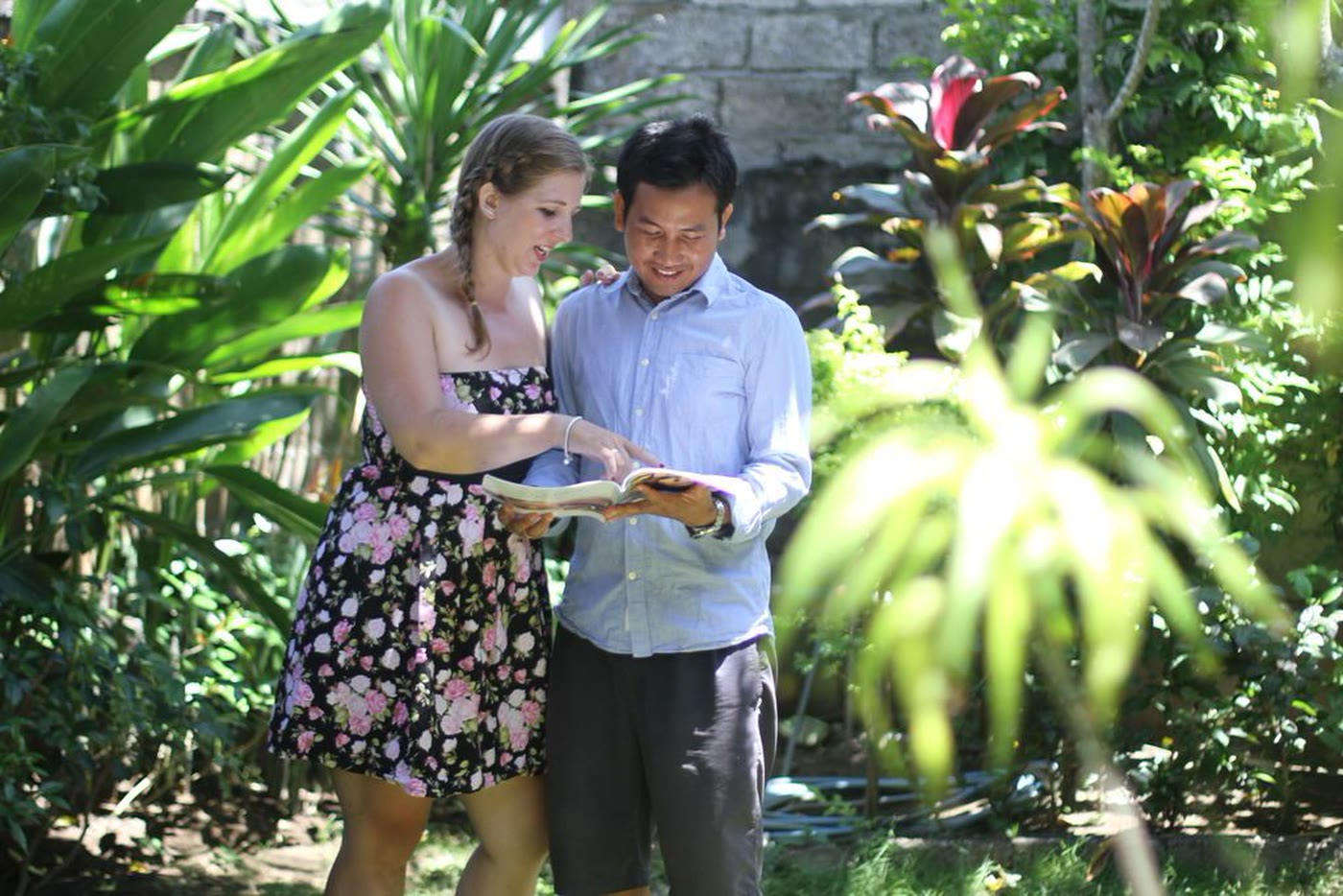
Cinta Bahasa is a 5.0-star, government-accredited language school in Bali with more than 10,000 alumni. It is also my most complete case study in regenerative social enterprise.

A teacher and student reading together in the Cinta Bahasa garden

What the institution proves

  • Values-led education can be commercially resilient without diluting its mission.
  • Accreditation, visa integration and German Bildungsurlaub recognition create durable demand.
  • Automated placement and intake turn a local school into a remote and corporate cohort business.
  • Alumni retention and community programming compound trust over decades.
  • Surplus can be reinvested into place — the school as anchor institution, not extraction machine.

How I work with others

  • Advisory for founders of values-led schools and training enterprises.
  • Design of accreditation, intake and remote-cohort operations.
  • Partnerships for universities, embassies and corporate mobility programmes.
  • A replication playbook for cross-cultural education as a community asset.
Cinta Bahasa Accreditation Remote cohorts Social enterprise Talk about education partnerships

Ways to engage

From a single conversation to a multi-year partnership.

Every engagement is shaped around the stage you are at. The formats below are starting points, not products.

F / 01

Advisory & design partnership

A 6–12 month relationship with leadership and delivery teams: diagnosis, design, governance and hands-on support through implementation.

F / 02

Regenerative design sprint

A focused 6–10 week process to map a local economy, model the leaks and produce an investable regenerative framework.

F / 03

Convening & facilitation

Design and facilitation of gatherings, peer-learning labs and communities of practice — with the follow-through that makes them last.

F / 04

Talks, workshops & executive education

Keynotes, board briefings and practical workshops on regenerative finance, local liquidity and anticipatory design.

The process

Listen. Model. Design. Hand over.

The work is participatory by necessity. A system that only its consultant understands is not a system yet.

P / 01

Listen & mapWeeks 1–3

Interviews, workshops and desk research produce a shared map of the real economy: who holds value, where it flows, and which relationships already carry trust.

P / 02

Frame & modelWeeks 3–6

We turn the map into a design question, then test it with numbers — Leaky Bucket flows, credit limits, merchant economics, scenarios and trade-offs.

P / 03

Design & testWeeks 6–10

Governance, instruments, communications and operations are prototyped with the people who will run them. Small tests de-risk the larger commitment.

P / 04

Embed & hand overOngoing

We leave behind rules, tools, indicators and local capability — plus a peer network that can support the work after the engagement ends.

Start here

What are you trying to make possible?

Tell me about the place, institution or network you are working with — and what would need to change for value to stay there.